
Learning history doesn’t have to be a dry, boring process filled with dates and names. Engaging students and teachers with history can be both educational and enjoyable by incorporating a creative approach that sparks interest. At History Stock we use several strategies to make history fun for everyone. Our focus is to combine self-development with world history in a fun and interactive style for all ages. In today’s world it seems like every child or adult learns off a digital screen from either a TV, Computer or Smartphone. We believe in giving children and adults a fresh new experience for learning history with a focuses on team building, leadership, resilience, discipline and gratitude. All our services are hands on from live presentations, classroom workshops and historical reenactments. Together we have over 30 years of knowledge spanning from Ancient Rome to WWII.
We spark curiosity by bringing history to life through immersive, hands-on experiences for all.
We engage students and families with live presentations, reenactments, and workshops within the community.
To make history exciting, memorable and to ignite passion for learning.
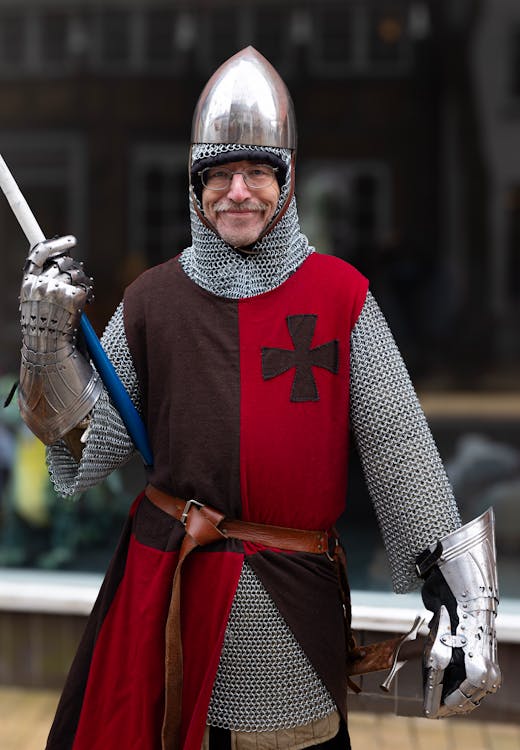
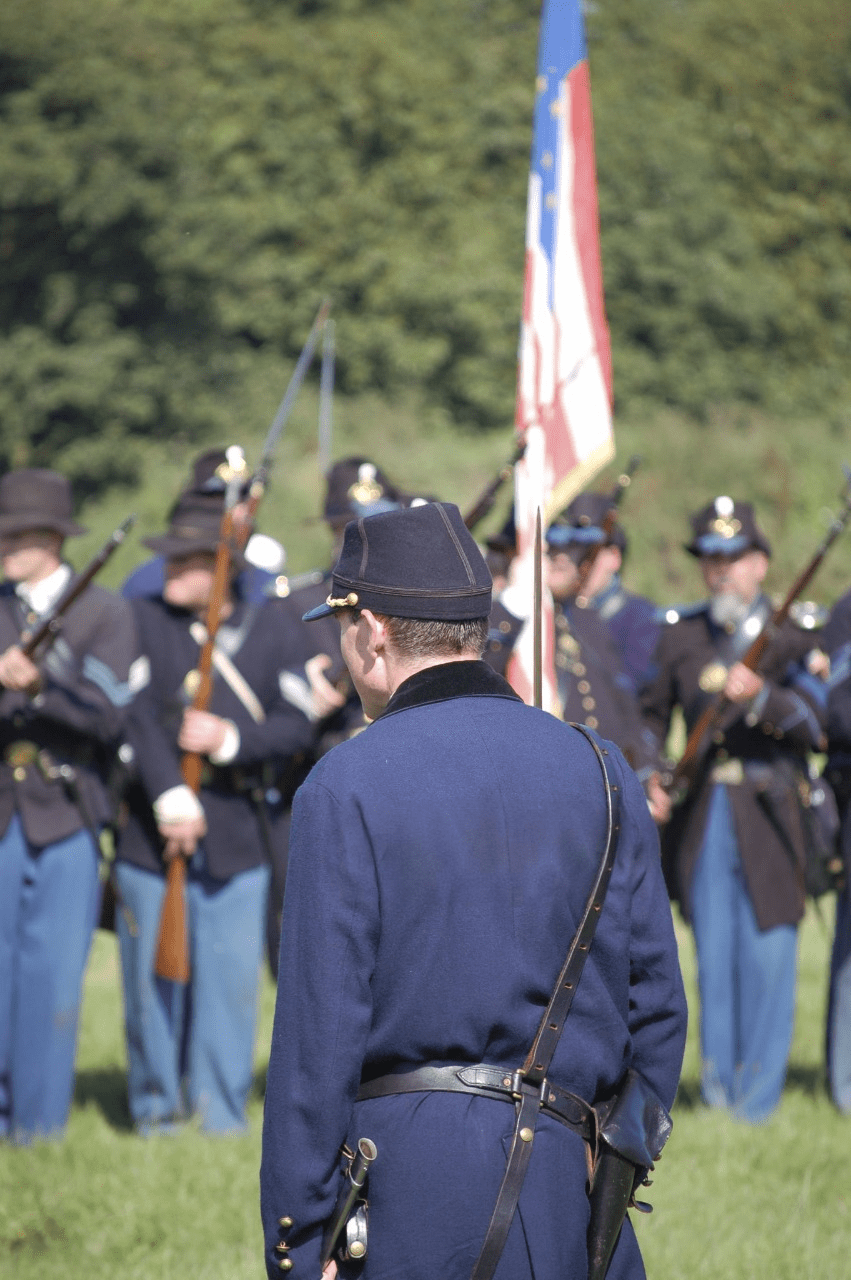
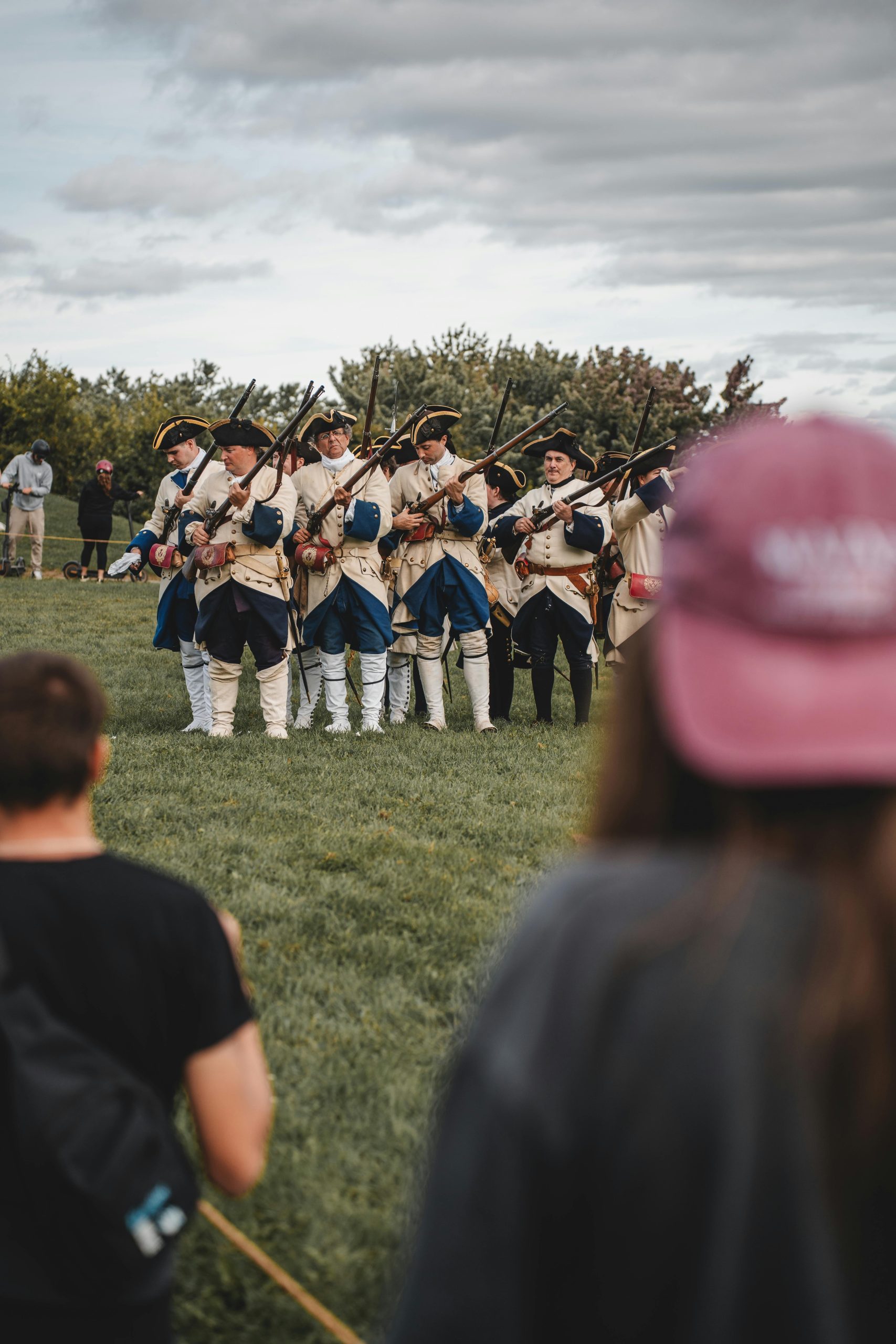
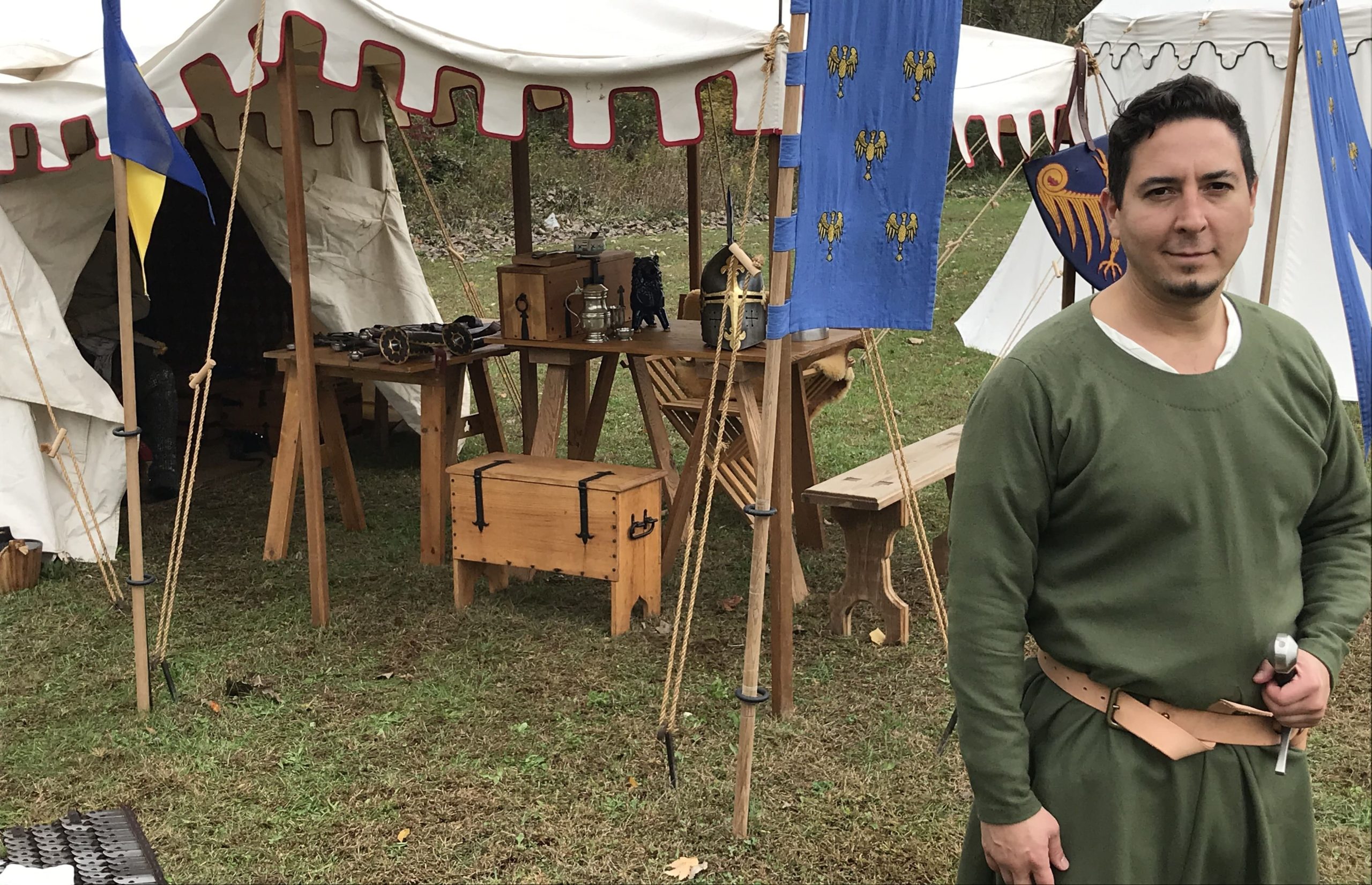
Live presentations with classically trained actors using high-quality reproductions is the focus of our company. This is the ultimate experience of learning history right before your eyes. Imagine a Roman Citizen telling you about his favorite meal or a Civil War soldier playing his favorite song on a harmonica. Our live reenactments are great for all ages and provide a memorable experience while learning history. While most of our reenactors are dressed as soldiers from a specific period, we do not glorify war, instead focus on the political, social, and technological environment of the time. History Stock strongly emphasizes the negativeness and hardships of warfare and how it should be avoided at all costs.
By utilizing this method, learning history can transform into an exciting adventure that inspires curiosity and fosters a lifelong love of knowledge. When kids enjoy the process of learning about the past, they are more likely to retain information and develop critical thinking skills that will serve them well in the future.
We offer live demonstration on the following topics:
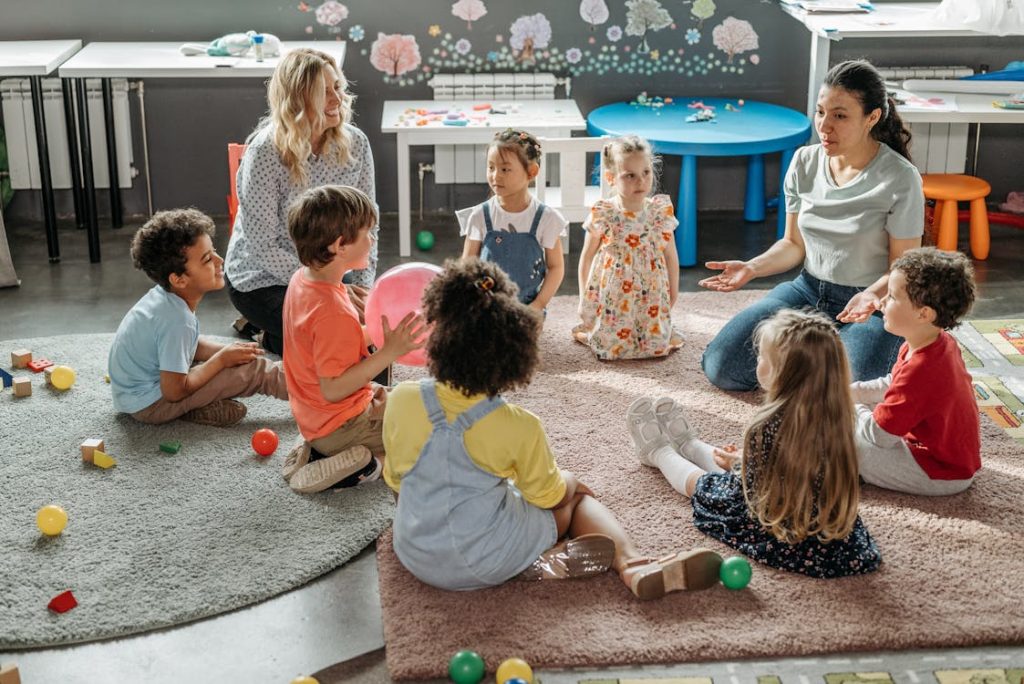
We also present history as a narrative filled with heroes, villains, and adventures for younger students. Our storytelling techniques bring historical events to life, allowing kids to connect emotionally with the past. This can be enhanced with visual aids, such as illustrations or animated videos, that capture their imagination as well as trivia games with prizes.
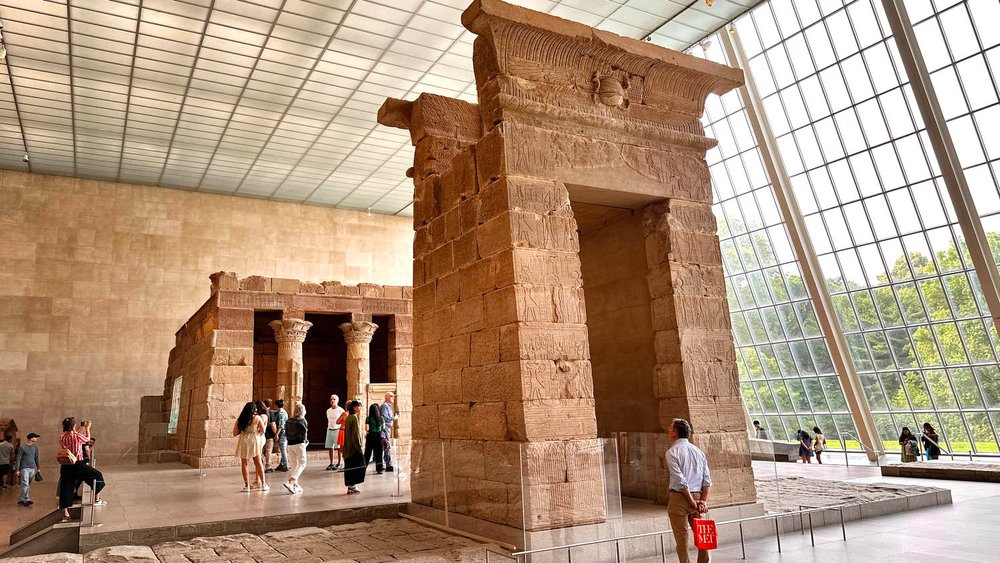
Organizing trips to local museums, historical landmarks, or reenactment events is another avenue to provide a tangible connection to history. Experiencing history firsthand allows kids to see artifacts and engage with the past in a dynamic way. New York has a superb collection of museums and we offer private bespoke tours for adults and children over 8 years of age.

Team-building experiences are a great way to get your group working together through positive interactions. Creating an event that feels fresh and new without being too offbeat is key that’s why History Stock offers a variety of lively, history -based interactive team-building experiences that can be customized to meet your team’s specific goals. From scavenger hunts to history role playing, we use history and culture to help you create the ideal team-building event for your business.
Living history is a dynamic, interactive method of learning that brings the past to life. One of the most significant advantages of living history is its ability to make learning more engaging. Traditional methods, such as reading textbooks or watching documentaries, often fail to spark curiosity in the same way that an immersive experience can. When history is presented in a tangible, participatory way, individuals can connect with the past on a personal level. Witnessing a reenactment or engaging with historical artifacts makes the events feel real, transforming abstract concepts into something meaningful. This helps participants retain information better, as active involvement in the learning process fosters a stronger emotional connection to the material.
Moreover, living history promotes empathy and understanding. By stepping into the shoes of historical figures or ordinary people from the past, individuals can develop a better sense of what life was like in different times. Reenactors, for example, often portray historical characters, conveying their struggles, hopes, and challenges. This approach provides a nuanced view of history, breaking down stereotypes and helping audiences recognize the human experiences behind major historical events. It encourages individuals to see the world through the eyes of others, fostering tolerance and empathy in an increasingly diverse society.
On a broader scale, living history contributes to a richer, more inclusive understanding of the past. It allows for diverse perspectives to be represented, helping to tell stories that may have been overlooked or marginalized in traditional historical narratives. By engaging with history in this way, people can gain a more comprehensive understanding of the complexities of past societies and their impact on the present.
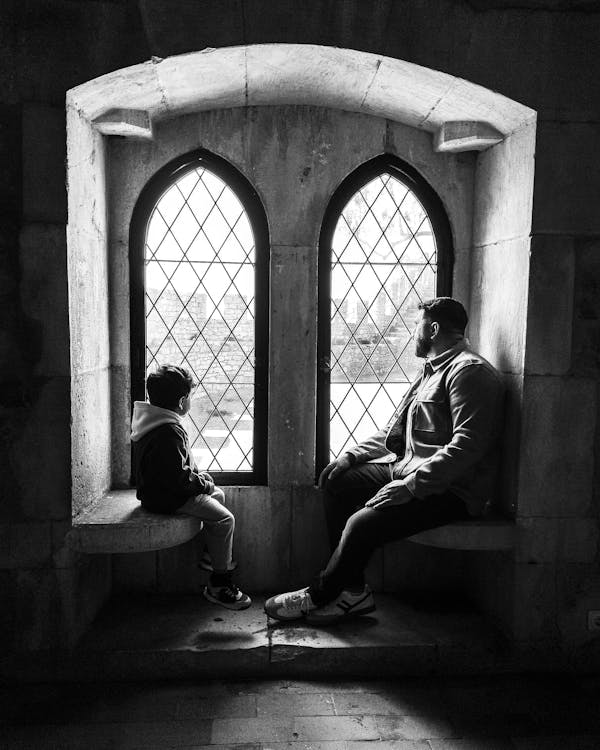
By learning about historical figures and events, children can develop essential virtues like discipline, resilience, and gratitude. The lives of great individuals and the struggles of societies serve as powerful inspirations, shaping young minds to be better prepared for the challenges of life.
One way history instills discipline in children is through stories of individuals who achieved greatness through perseverance and hard work. For example, Thomas Edison, who conducted thousands of experiments before inventing the lightbulb, exemplifies the power of dedication. His unwavering commitment to his work teaches kids that success comes through consistent effort and patience. By studying such figures, children learn that discipline is the key to mastery and accomplishment.
Resilience is another crucial lesson that history imparts. The stories of people overcoming immense hardships inspire children to push through obstacles. Take, for instance, Abraham Lincoln, who faced numerous failures in politics before becoming one of the most influential presidents of the United States. His persistence despite setbacks demonstrates that failure is not the end but a stepping stone to success. Children can internalize this lesson and apply it in their own lives when facing difficulties in school or personal challenges.
Gratitude is also deeply rooted in historical narratives. By learning about struggles faced by previous generations, children develop an appreciation for the privileges they enjoy today. For instance, understanding the hardships of the Great Depression or the sacrifices of soldiers in World War II helps kids recognize the value of modern comforts and freedoms. This awareness fosters a sense of gratitude for the opportunities they have and encourages them to contribute positively to society. Through these lessons, they grow into responsible and motivated individuals ready to make a difference in the world.